
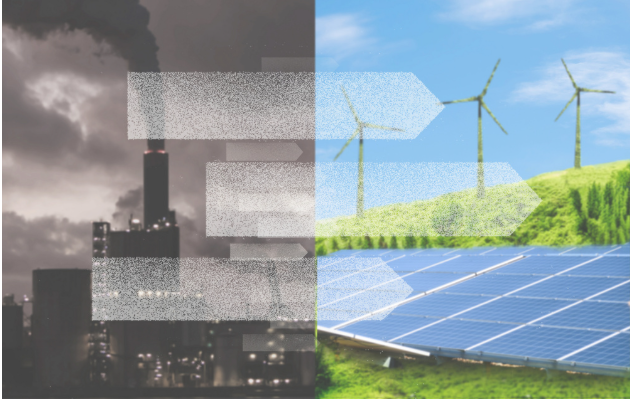
The old assumptions about corporate energy costs no longer hold water. Companies that once viewed power bills as fixed expenses now discover they have real control over these numbers. The ground rules for how businesses power their operations have changed completely, and the shift caught plenty of folks off guard.
The Big Shift Is Already Here
Solar panels used to cost a fortune. Now? They’re cheaper than a new company truck in many cases. Same story with wind turbines. The economics flipped while most of us were busy with other things.
Here’s what’s pushing companies to act. Your customers want to know where their stuff comes from and how it’s made. Meanwhile, banks and investors were getting antsy about carbon footprints. With all the new rules from the government, that old generator seems risky now. Some businesses saw this coming. Others are scrambling to catch up. A few are still pretending nothing’s changed. Good luck with that strategy.
What This Means for Your Bottom Line
Energy spending hits different businesses in different ways. A data center burns through electricity like nobody’s business. A bakery worries more about gas for ovens. But here’s the thing: renewable sources give you something fossil fuels never could – price stability for years, sometimes decades.
Yes, solar panels and wind systems cost money upfront. So does any equipment worth having. The difference is that these investments pay you back. Run the numbers on a five-or ten-year timeline and the story gets interesting. Federal and state programs throw money at businesses making the switch, which helps take the sting out of initial costs.
Machine shops across the country cut their monthly bills by sixty percent. Small offices that generate extra electricity sell it back for profit. One regional grocery chain turned its sustainability push into a marketing goldmine. Their sales jumped fifteen percent after going green. Not every business hits a home run. Most though see real benefits within a few years.
Practical Steps Forward
Forget grand plans. Start by figuring out where you’re hemorrhaging energy right now. Those ancient fluorescent lights humming away? Replace them. The HVAC system from the Clinton administration? Time for an upgrade. Fix the obvious problems first.
After handling the basics, think bigger. Power generation options vary wildly depending on your situation. This is according to the experts at Commonwealth. A warehouse with a massive flat roof screams solar opportunity. A small office might do better buying into a local renewable program. Rural operations could consider wind. Urban businesses often find creative partnerships with neighbors to share costs and benefits. Learn more about power generation with Commonwealth.com.
Your suppliers matter too. You can’t overlook the trucks delivering supplies or the factories producing parts if you’re committed to reducing emissions. Companies are now asking everyone they work with to show they’re being green. This creates a domino effect; one business pushes another, which pushes another.
Conclusion
This transition picks up steam every month. Batteries get better and cheaper. Electric delivery vehicles actually work now. What seems like sci-fi tech now will be normal by 2030. The smart money recognizes opportunity hiding inside necessity. Companies that move early gain advantages beyond just lower bills. They win customers who care about sustainability. They attract talented workers who want meaningful employment. They sleep soundly now that fuel prices won’t mess up their numbers. It will not be a breeze. Change never is. But if you wait for perfect, you’ll be waiting a long time. The companies doing well in five years won’t be those with all the solutions, but those who are asking the right questions now.