
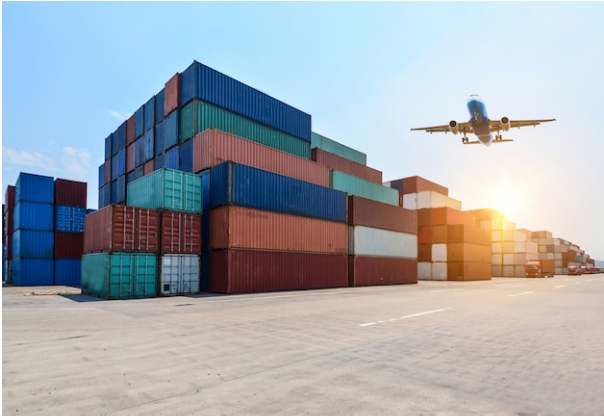
Selecting the most suitable transportation mode is a critical decision for businesses shipping goods. The right choice directly affects delivery time, costs, reliability, and customer satisfaction. In modern supply chains, freight logistics plays a key role in determining how goods move efficiently from origin to destination. Here’s a step-by-step guide to help you choose the best transportation method for your freight.
1. Understand Your Freight Requirements
Before choosing a transportation mode, evaluate your freight’s specific needs. Consider factors such as shipment size, weight, value, delivery urgency, and destination distance.
Perishable or high-value goods may require faster, more secure transport, while bulk or non-urgent items can use slower, cost-effective options. Aligning these requirements with your freight logistics strategy ensures smoother operations and fewer delays.
2. Road Transportation: Flexible and Accessible
Road transport is one of the most commonly used modes due to its flexibility and accessibility. Trucks can reach remote locations and provide door-to-door delivery, making them ideal for short to medium distances.
Road transportation is particularly useful for regional shipments, retail distribution, and time-sensitive deliveries. However, fuel costs, traffic congestion, and weather can affect delivery times and expenses.
3. Rail Transportation: Cost-Effective for Heavy Loads
Rail transport is reliable for moving large volumes of freight over long distances. It works best for heavy or bulk commodities such as coal, steel, agricultural products, and raw materials.
Rail offers lower fuel consumption per ton compared to trucks, making it a cost-efficient and eco-friendly option. Limited rail networks and the need for additional road transport at either end can reduce flexibility, so careful planning is essential.
4. Air Transportation: Speed and Reliability
Air freight is the fastest transportation mode, ideal for urgent, high-value, or time-sensitive shipments. In freight logistics, air transport is often used for electronics, pharmaceuticals, and perishable goods.
While it ensures rapid delivery and high security, air freight is also the most expensive option. Businesses need to weigh whether the speed justifies the higher cost.
5. Sea Transportation: Ideal for International Shipping
Sea freight is the backbone of global trade, suitable for large-volume international shipments. It offers the lowest cost per unit for transporting heavy or bulk goods across long distances. Container shipping provides security and flexibility for various cargo types.
However, longer transit times and potential port congestion make sea transport less suitable for urgent deliveries. It’s important to factor in customs clearance and documentation requirements when planning sea shipments to avoid delays.
6. Making the Right Choice
Choosing the right transportation mode requires balancing cost, speed, reliability, and cargo requirements. Many businesses adopt a multimodal approach, combining road, rail, air, and sea transport to optimize efficiency.
A well-planned freight logistics strategy reduces costs, improves delivery performance, and enhances overall supply chain resilience.
Conclusion
Selecting the appropriate transportation mode is essential for successful shipping operations. By understanding your freight needs and evaluating each option carefully, you can make informed decisions that support efficiency, reduce risk, and improve customer satisfaction. With the right freight logistics approach, your business can achieve smoother deliveries and long-term operational success.