
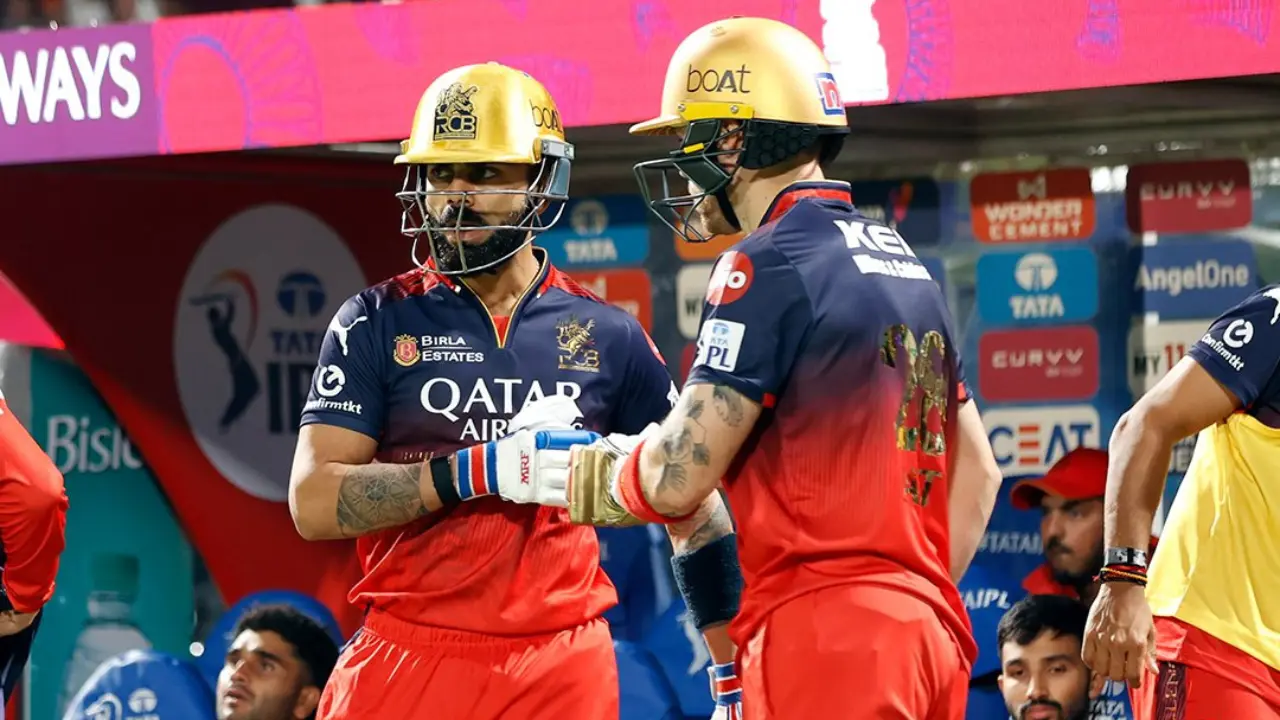
The Indian Premier League continues to evolve beyond traditional cricketing patterns, with toss decisions now influenced by a combination of rule changes, venue behavior, and environmental conditions. Analysts no longer treat the toss as a simple coin flip outcome but as a trigger for a pre-planned strategy shaped by data and match context. This shift has made IPL toss prediction this month a subject of structured evaluation rather than surface-level assumptions.
Recent updates in the 2026 season have added a new dimension to toss analysis. With rule changes aimed at reducing dew impact and balancing contest conditions, captains are adapting their approach based on revised playing dynamics. As a result, toss decisions this month are not following older patterns consistently, making analytical interpretation more important than ever.
How Toss Decisions Are Changing in IPL 2026
Captaincy approach in IPL 2026 reflects a clear transition from fixed patterns to adaptive thinking. Earlier seasons showed a strong preference for chasing, especially in night games, but this season introduces variables that are altering that tendency. Teams now weigh multiple factors before deciding whether to bat or bowl after winning the toss.
The introduction of a chemical treatment to reduce dew has significantly influenced match conditions. Reports confirm that this “Dew Cure” system is being implemented across venues to neutralize moisture impact, which historically favored chasing teams. This change directly reduces the automatic advantage associated with bowling first, forcing captains to rethink their default decisions.
Pitch Behavior Remains a Key Constant
Despite new rule interventions, pitch characteristics continue to dominate toss strategy. Batting-friendly venues such as Bengaluru are expected to produce high-scoring matches, often crossing 200 runs, reinforcing the importance of reading surface conditions before the toss.
At the same time, slower pitches still demand a different approach. Grounds with dry surfaces encourage teams to bat first and apply scoreboard pressure. Captains who correctly interpret pitch nature before the toss often gain a measurable advantage, especially in tightly contested matches.
Surface Adaptation Over Matches
Repeated usage of pitches during the tournament affects bounce consistency and grip. Teams tracking this progression tend to shift toward batting first as surfaces slow down, particularly in venues hosting consecutive fixtures.
Influence of High-Scoring Conditions
Flat tracks increase chasing feasibility, but only when external conditions remain stable. With new dew control measures in place, high-scoring grounds may now see more balanced results rather than predictable chasing dominance.
The Evolving Role of Dew in Toss Predictions
Dew has historically been the single biggest factor influencing toss decisions in IPL matches. Night games often tilted heavily in favor of teams batting second due to reduced bowling control. However, IPL 2026 introduces two significant adjustments that directly target this imbalance.
The first is the Dew Cure system, designed to reduce moisture accumulation on the field. The second is the continuation of the ball change rule, allowing teams bowling second to request a replacement ball after the 10th over. These changes collectively aim to minimize the disadvantages faced by bowlers in the second innings.
Ball Change Rule Impact
The ability to switch to a drier ball after the 10th over gives bowlers better grip and control. This restores balance during crucial phases of the game and reduces the dominance of chasing teams in dew-heavy conditions.
Reduced Dew Dependency
While dew has not disappeared entirely, its influence is now controlled rather than overwhelming. Analysts must adjust their predictions accordingly, as relying solely on dew trends may no longer produce accurate insights.
Team Strategy and Squad Composition
Team balance continues to shape toss decisions, particularly in how squads are structured for different conditions. The Impact Player rule remains in place, allowing teams to adjust combinations dynamically during matches. This flexibility influences how captains approach the toss, especially when choosing between batting depth and bowling strength.
Teams with aggressive batting lineups still show a tendency to chase, but this preference is now conditional rather than automatic. On the other hand, sides with strong spin options are increasingly open to defending totals, especially on surfaces that assist slower bowlers.
Batting Depth and Flexibility
Extended batting orders provide confidence in chasing scenarios, but teams now evaluate whether conditions truly support that approach before making a decision.
Bowling Strategy Alignment
Captains consider whether their bowling unit can exploit pitch conditions effectively. With improved control over dew, bowlers are expected to play a more decisive role this season.
Match Trends Observed This Month
Early matches in IPL 2026 indicate a shift toward balanced outcomes rather than one-sided chasing success. While chasing remains a viable strategy, it is no longer the default choice across venues. Match timing continues to play a role, with afternoon games showing less dependence on environmental factors.
The tournament itself features 10 teams competing across 74 matches, maintaining a high volume of fixtures that allows trends to evolve quickly. This structure ensures that patterns observed early in the season may change as conditions vary across venues and match schedules.
Venue-Specific Observations
Certain grounds continue to show consistent behavior, but the gap between batting-first and chasing success is narrowing due to rule changes.
Timing-Based Variations
Day matches remain less influenced by external conditions, making pitch assessment the primary factor in toss decisions during these fixtures.
Understanding Toss Prediction Through Analysis
Predicting toss outcomes requires distinguishing between randomness and strategy. While the toss itself cannot be forecasted, the decision that follows can be anticipated through structured analysis. Observers who track venue behavior, team composition, and rule changes gain a clearer understanding of likely captain choices.
This analytical approach becomes even more important in IPL 2026, where evolving conditions reduce the reliability of past trends. Consistency in evaluating multiple variables rather than relying on a single factor is essential for accurate interpretation.
Final Thoughts
Is toss prediction still about chasing trends, or has the game finally moved beyond that simplicity? The answer lies in adapting to the evolving nature of IPL conditions. With CBTF Tips positioned at the center of this analytical shift, readers gain access to insights that combine venue behavior, rule changes, and team strategy into a structured framework. Their approach reflects a deeper understanding of match dynamics, offering a reliable perspective for those seeking IPL toss prediction with deep analysis without relying on outdated assumptions.