
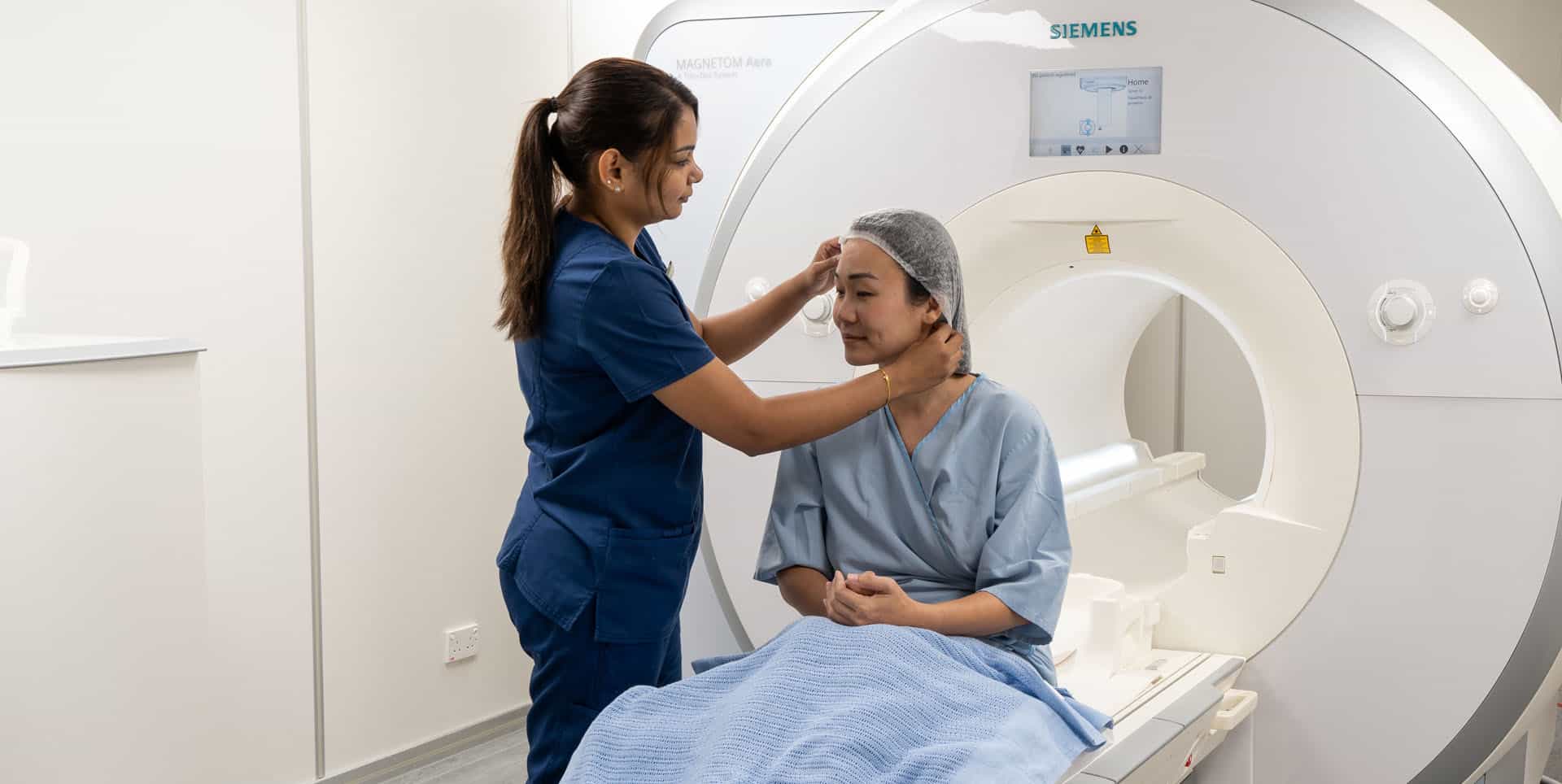
“I walked out the same person. Same job. Same routine. Same everything. But I wasn’t thinking the same anymore.”
That’s how one patient described it. No diagnosis. No emergency. No surgery scheduled. Just a scan result that showed something small. Early plaque. Not dangerous yet. Not urgent.
But not nothing.
That’s the category most people don’t talk about. The result that doesn’t force action but changes behavior anyway. The moment when nothing changes on paper, but everything shifts in how someone thinks about their health.
The Power of Seeing Something Small
Most people assume the value of screening comes from big findings. Major blockages. Advanced disease. Clear problems that require immediate treatment.
That’s not what shows up most often.
What shows up is subtle.
“I expected them to tell me I was fine,” one patient said. “Instead, they said I had early plaque. Not enough to panic. Enough to matter. That stuck with me.”
That kind of finding sits in a strange space. It doesn’t interrupt your life. It doesn’t trigger a prescription right away. It doesn’t create urgency.
But it removes doubt.
And doubt is what keeps people in neutral.
Why Subtle Findings Matter More Than Big Ones
Big findings force action. Subtle findings create choice.
That difference is important.
When something is severe, the path is clear. Treatment is immediate. Decisions are made quickly. The system takes over.
When something is early, the decision stays with the individual.
That’s where behavior changes.
The CDC reports that heart disease remains the leading cause of death in the United States, with about 805,000 heart attacks occurring each year. What matters is how many of those events could have been influenced earlier.
The American Heart Association estimates that up to 80% of premature cardiovascular disease is preventable. That number points to a large window of opportunity. Most of that window exists before the disease becomes severe.
That’s the stage where subtle findings show up.
“It Wasn’t Bad Enough to Ignore”
One patient described it in a way that captures the tension.
“If they told me everything was perfect, I would’ve gone back to normal. If they told me something was seriously wrong, I would’ve acted immediately. Instead, they told me it was early. That was harder in a way. I had to decide what to do with it.”
That is the decision point.
Subtle findings don’t remove responsibility. They create it.
You can ignore them. You can act on them. You can monitor them. But you can’t pretend you didn’t see them.
That’s what changes everything.
The Shift From Abstract Risk to Visible Reality
Before a finding, risk feels theoretical.
You hear about cholesterol. Blood pressure. Family history. You understand the concept, but it stays abstract.
After a finding, the conversation changes.
“I’ve had borderline cholesterol for years,” one patient said. “It never meant anything to me. Then I saw the plaque. Same number. Different meaning.”
That’s the shift from probability to presence.
The number didn’t change. The interpretation did.
And that interpretation drives behavior more than the number itself.
The Data Behind Early Detection
Large-scale studies support this pattern.
The Multi-Ethnic Study of Atherosclerosis (MESA) showed that many individuals with no symptoms had measurable coronary artery calcium, a marker of early heart disease. Those findings helped reclassify risk in patients who would otherwise have been considered low or moderate risk.
That matters because treatment decisions often depend on perceived risk.
If risk is underestimated, action is delayed.
If risk is clarified, action becomes more targeted.
This is why imaging tools are used to refine decision-making. Not to replace traditional care, but to add context where numbers alone are not enough.
What People Actually Do After Subtle Findings
The most interesting part is what happens next.
Not a dramatic change. Not extreme behavior.
Small adjustments.
“I didn’t overhaul my life,” one person said. “I just stopped pretending I had time to fix things later. I started walking every morning. I paid attention to what I was eating. I followed up when I said I would.”
That kind of change does not show up in headlines. It does not feel intense. But over time, it compounds.
Subtle findings create consistent action.
And consistent action is what prevention depends on.
Why “Nothing” Is Often the Most Useful Result
A completely normal result provides reassurance. That has value.
A severe result creates urgency. That has value too.
But a subtle result sits in the middle. It creates awareness without panic.
That balance is what drives long-term behavior.
Life Imaging reviews often reflect this middle ground. People describe feeling neither alarmed nor relieved, but focused. They leave with a clearer understanding of where they stand and what needs attention.
“I didn’t feel scared,” one person wrote. “I felt like I finally had a starting point.”
That starting point matters more than perfection.
The Problem With Waiting for Big Signals
Many people wait for something obvious before taking action.
Pain. Fatigue. A major lab change. A clear diagnosis.
The problem is that those signals often come late.
By the time symptoms appear, the disease may already be advanced. Options may be more limited. Interventions may be more aggressive.
Subtle findings show up earlier. They create a chance to act before those constraints appear.
That is the advantage.
The Decision That Feels Small
From the outside, the decision to get a scan or pursue more information looks minor.
It takes a short amount of time. It does not disrupt daily life. It does not feel like a major turning point.
But the impact is internal.
It changes how people think about:
- Time
- Risk
- Follow-up
- Responsibility
“I didn’t change everything overnight,” one patient said. “But I stopped putting things off. That was the real change.”
That shift is hard to measure. But it is easy to see over time.
The Compounding Effect of Awareness
Awareness creates feedback.
You notice patterns. You follow trends. You act sooner.
That compounds.
One year of small changes leads to another. Follow-ups happen on schedule. Questions get asked earlier. Decisions get made with more context.
The original finding may stay small.
The impact grows.
What Actually Changes
The body does not change overnight. The condition may remain stable for years.
What changes is behavior.
You stop delaying.
You stop assuming.
You start tracking.
You start acting earlier.
That is the real outcome.
The Quiet Advantage
The most powerful decisions are not always the dramatic ones.
They are the ones that change direction early, before momentum builds in the wrong way.
A subtle finding does not feel like a crisis. It feels like information.
But that information changes timing.
And timing changes everything.
That is why the decision can look small from the outside.
Nothing changes immediately.
Except for the part that matters most.